
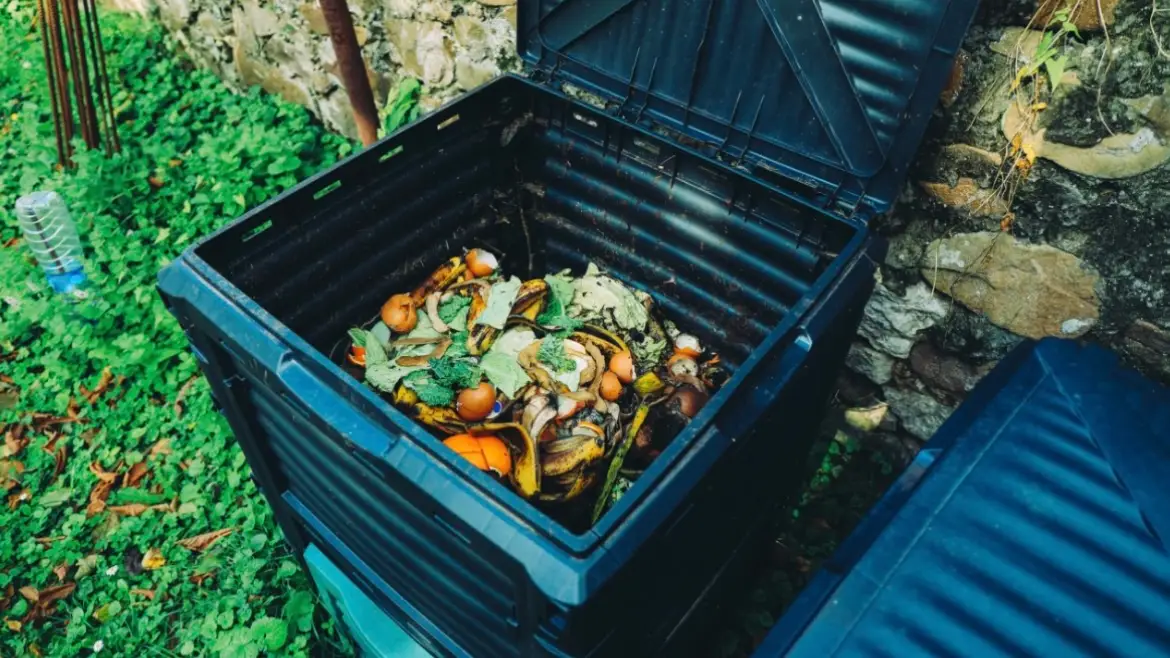
Composting is a simple and effective way to reduce household waste and improve your garden’s soil. If you’ve ever thought about starting a compost pile at home, here’s a quick guide to get you started.
Compost is decomposed organic matter—like food and yard waste—that turns into nutrient-rich soil. It helps your plants grow better and cuts down on the trash you send to the landfill. Compost is made from nitrogen-rich material (greens) and carbon-rich material (browns). Greens include fruit and vegetable scraps, coffee grounds, grass clippings, and eggshells. Browns include dry leaves, small branches or twigs, cardboard, and shredded paper. For best results, aim for a mix of 2 to 3 parts browns for every 1 part green. This balance helps your compost break down efficiently and keeps it from getting smelly. Avoid composting meat, dairy products, and grease or oily foods. These can attract animals and create unpleasant odors.

You can compost in a pile, a bin, or a tumbler. Bins can be made from wood, cinder blocks, or purchased pre-made. To keep pests away, use a bin with a secure lid. Covering your compost also helps it break down faster, especially in cooler weather. Turn or mix your compost regularly with a garden fork to help speed up decomposition and prevent odors.
Your compost is ready when it’s dark, crumbly, and no longer has visible food scraps. Once it reaches this stage, stop turning it and let it “cure” for about a month. A well-maintained compost pile will be ready to use in 3 to 5 months. Spread your finished compost in garden beds or mix it into the soil. It will improve soil structure, help retain moisture, and give your plants the nutrients they need to thrive.

For sources and more information, visit the below links:


