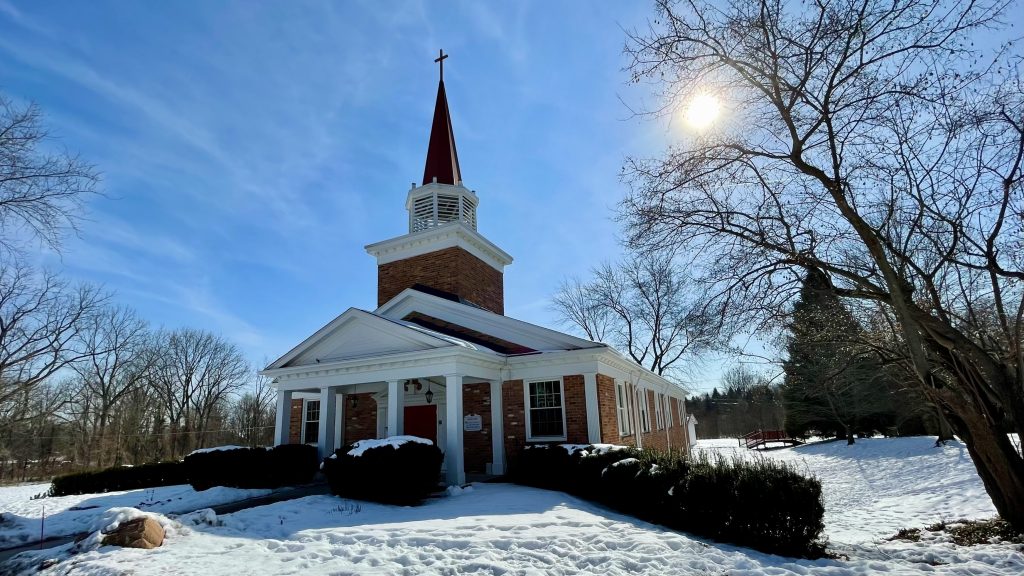
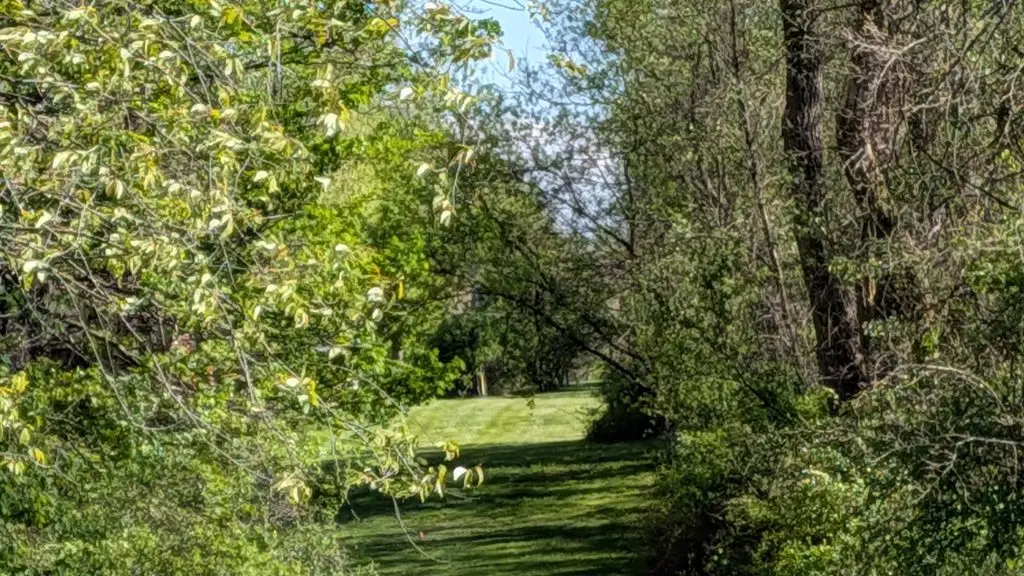
St. Paul’s Episcopal Church has been a part of the Romeo community since 1912 and has occupied its current location on West St. Clair Street since 1964. The church property includes more than 11 acres of open land, woodlot, gardens, and walking paths that provide valuable green space and wildlife habitat within the Village limits. This land has been lovingly cared for by congregation members for decades and continues to support both reflection and recreation.
To ensure the long-term health of this property, St. Paul’s Episcopal Church has welcomed Green Space Romeo and the Lake St. Clair Cooperative Invasive Species Management Area (CISMA) as stewardship partners. The goal of this collaboration is to restore and protect the land as a thriving native ecosystem while honoring its role as a place of peace and connection.
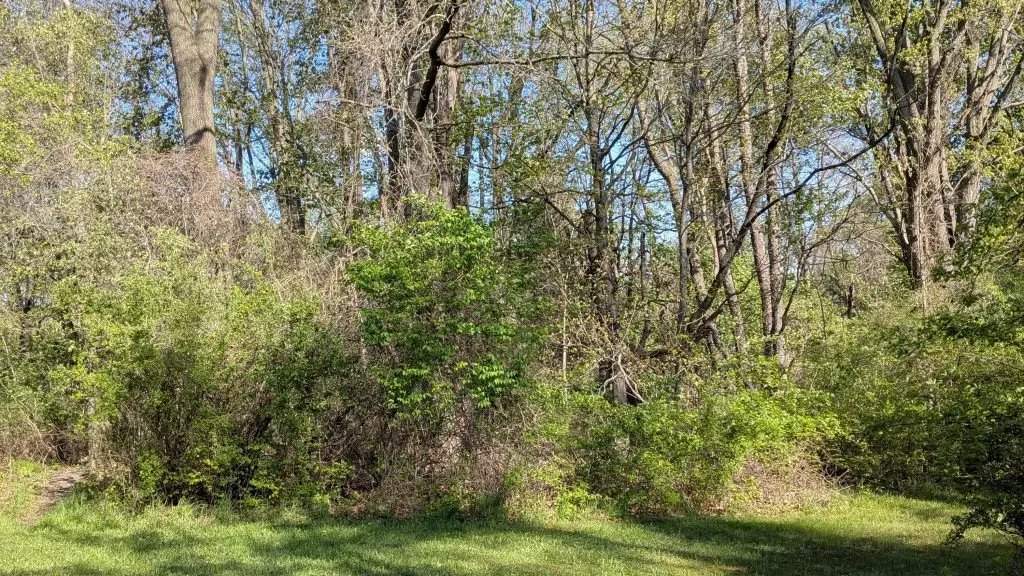
Like many natural areas, the property is experiencing increasing pressure from invasive plant species that threaten tree health and reduce native biodiversity. Through this partnership, professional expertise and volunteer support will be brought together to address these challenges in a thoughtful and environmentally responsible way.
Project Plan
The initial phase of the project will focus on developing a long-term stewardship plan and beginning hands-on restoration to reduce invasive species. Community workdays will be coordinated in this first phase. Planned activities include:
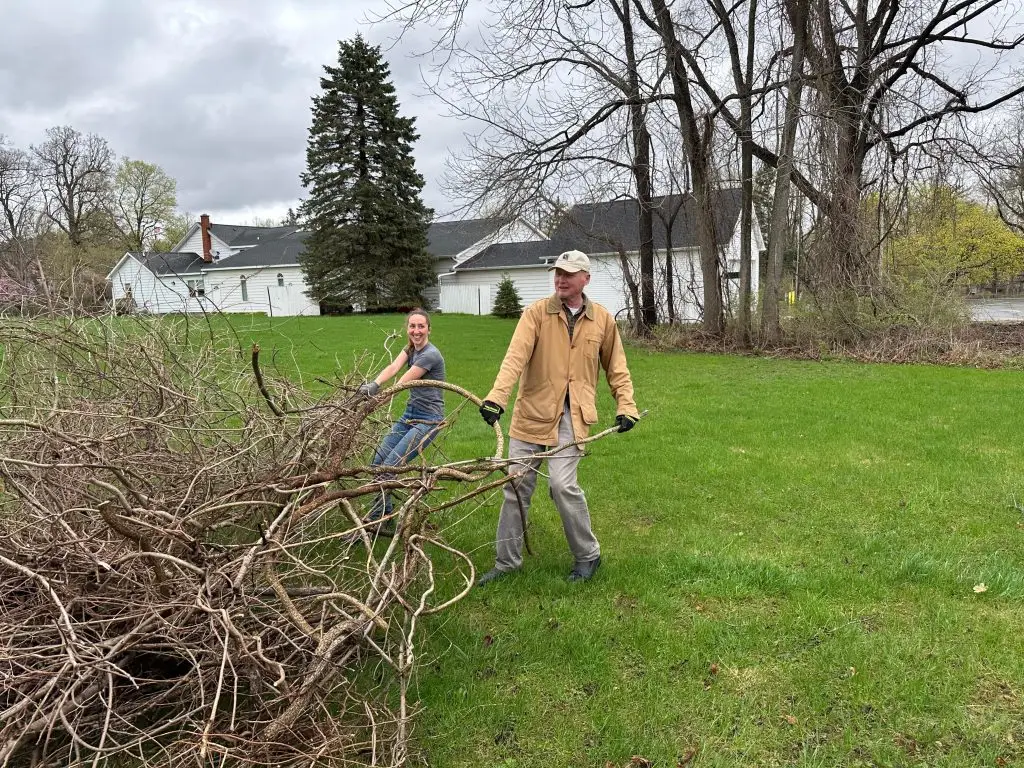
Removal of invasive woody plants that are impacting existing trees and native plants
Targeted grazing using goats to naturally and efficiently clear invasive vegetation
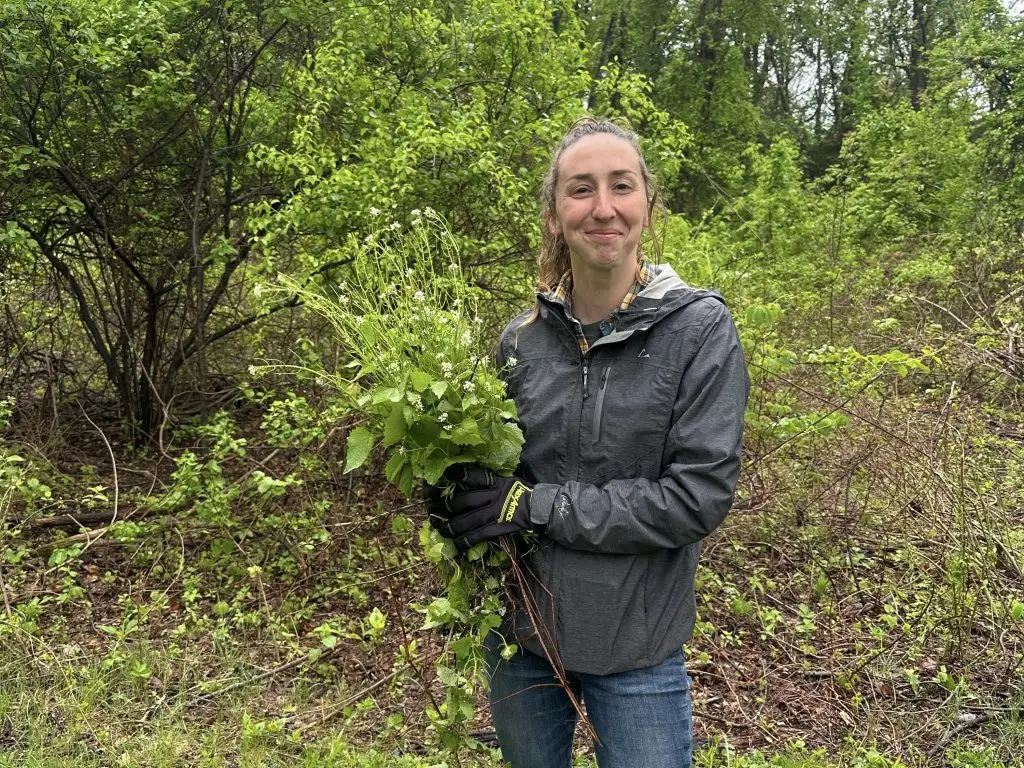
Hand removal of invasive herbaceous plants in the spring
Future phases, including additional workdays and habitat restoration goals, will be shaped collaboratively by St. Paul’s Episcopal Church, Green Space Romeo, and the Lake St. Clair CISMA as the stewardship plan develops.
This project represents an investment in the long-term health of an important community green space, ensuring it remains a welcoming and resilient landscape for generations to come.
This project represents an investment in the long-term health of an important community green space. By incorporating sustainable practices like goat grazing alongside community-led restoration, the initiative supports a more natural recovery process—ensuring the landscape remains welcoming, resilient, and ecologically vibrant for generations to come.
Get Involved
Recent workdays at the St. Paul’s property have brought together community partners and volunteers to make meaningful progress in restoring this important green space.
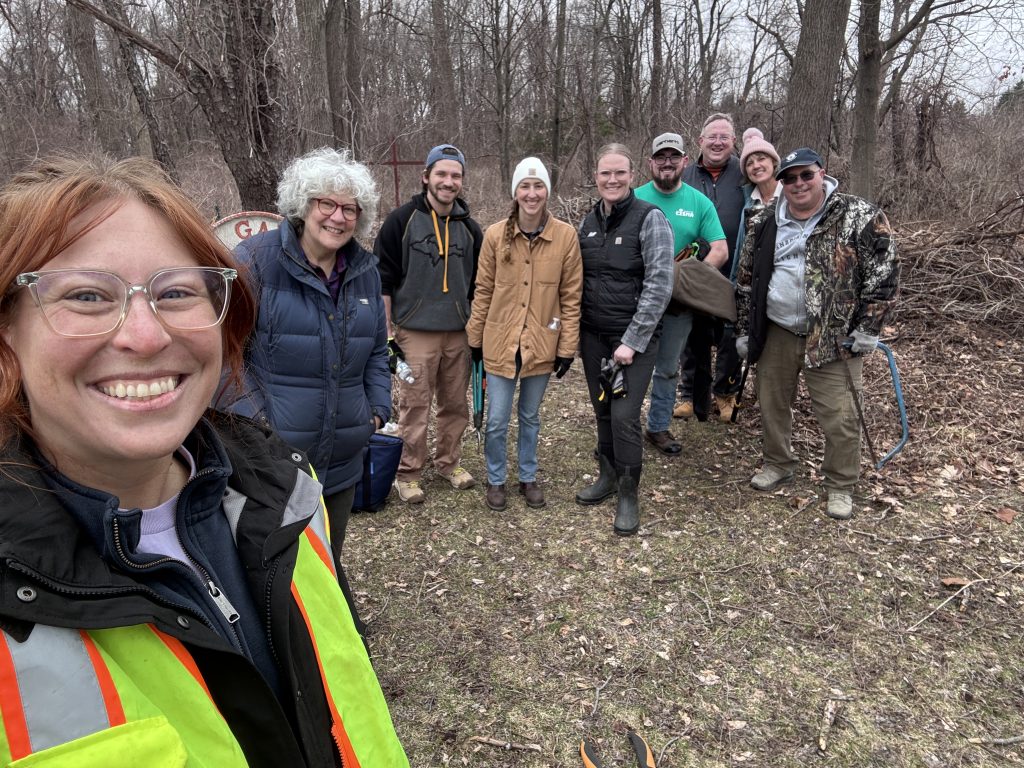
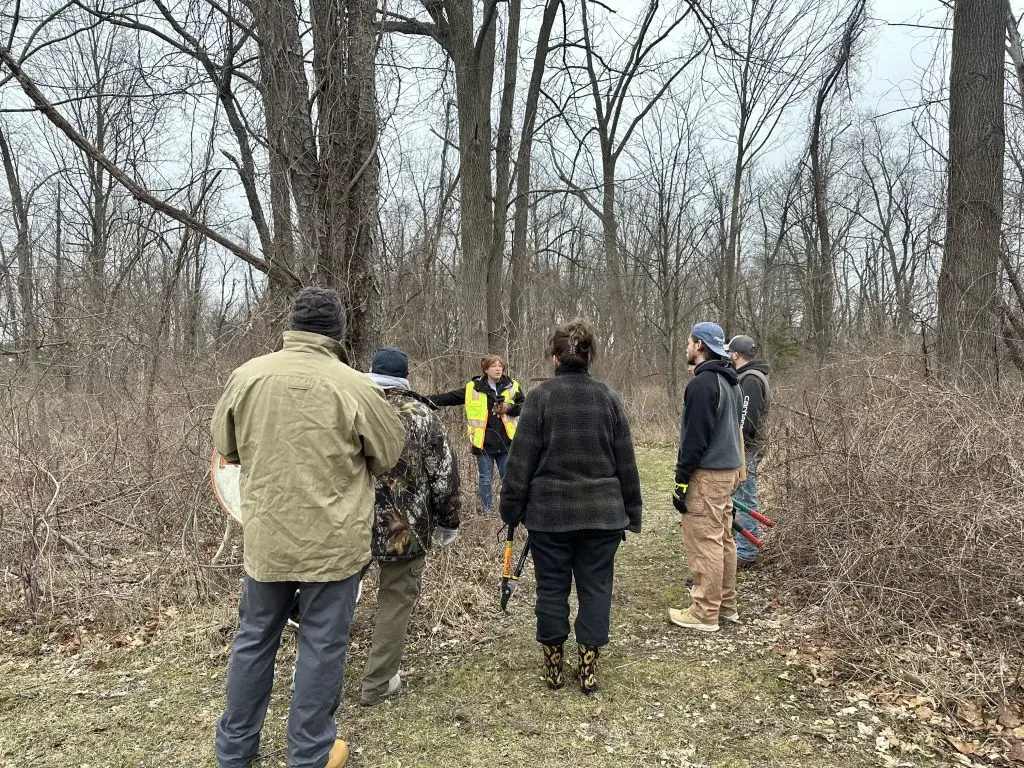
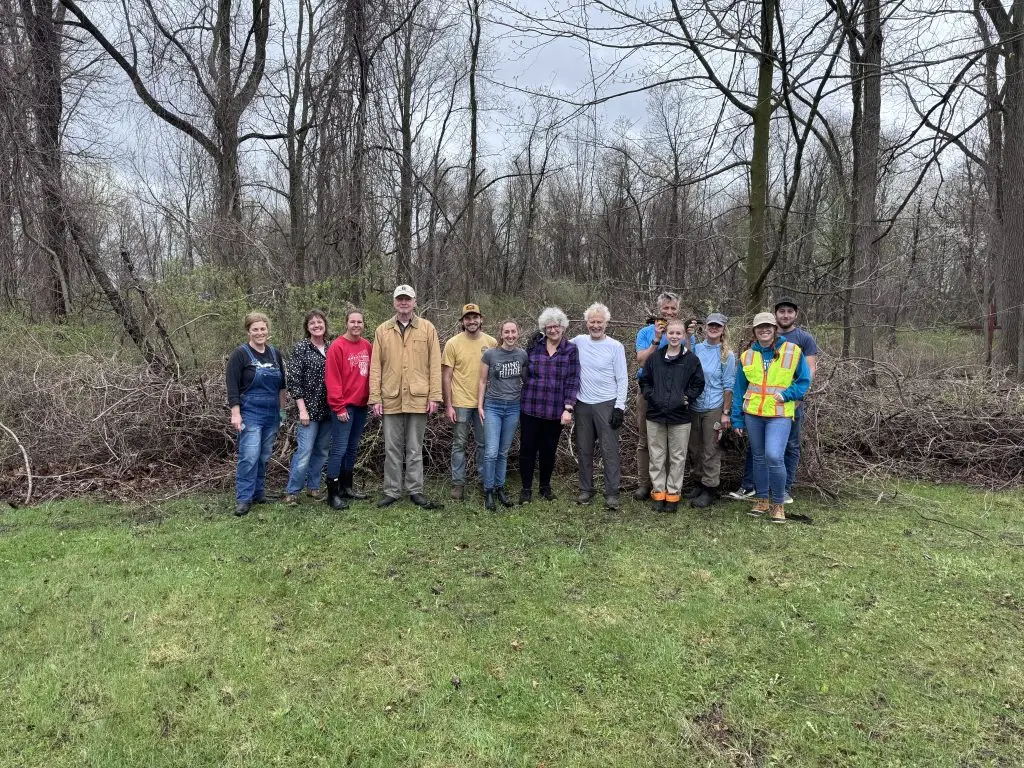
On March 21st, a team of 15 dedicated volunteers—including participants from Lake St. Clair CISMA, St. Paul’s Episcopal Church, and Green Space Romeo—worked hard to begin clearing invasive shrubs and vines. Species such as honeysuckle, privet, and bittersweet were removed to help improve the health of the landscape and create space for native plants to thrive.
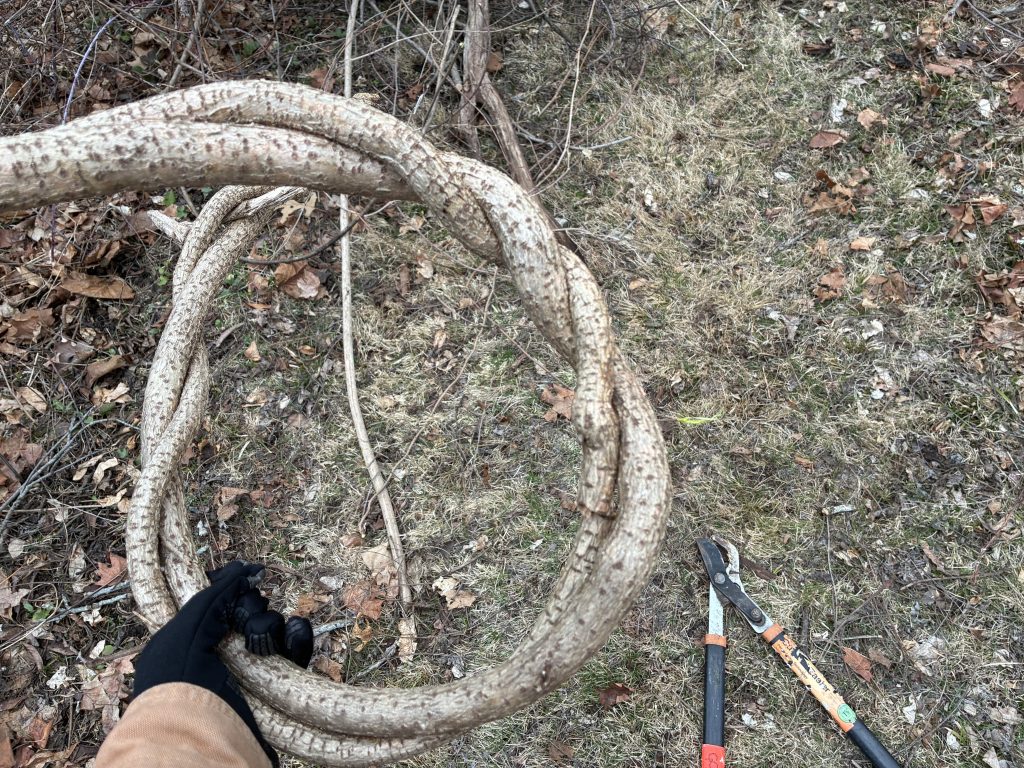
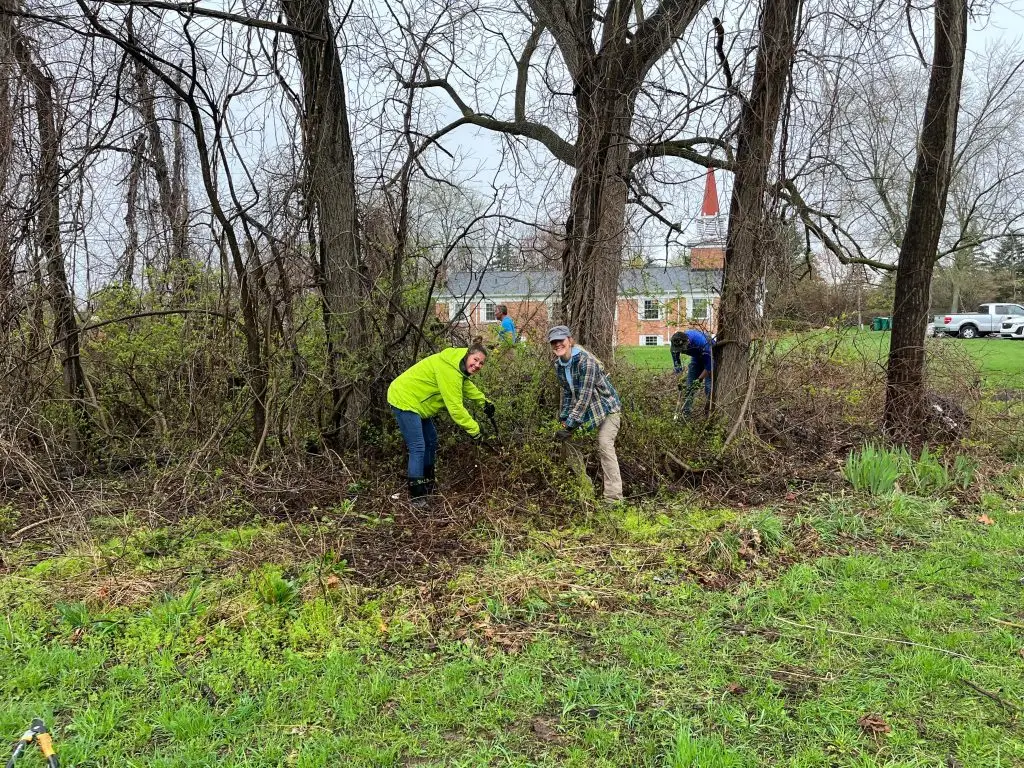
Building on that momentum, volunteers returned on April 18th to continue the effort. The group focused on a large patch of bittersweet vines that had begun overtaking a stand of trees, along with additional invasive shrubs. It was a fun and productive day, with noticeable progress made and a strong sense of community throughout the work.
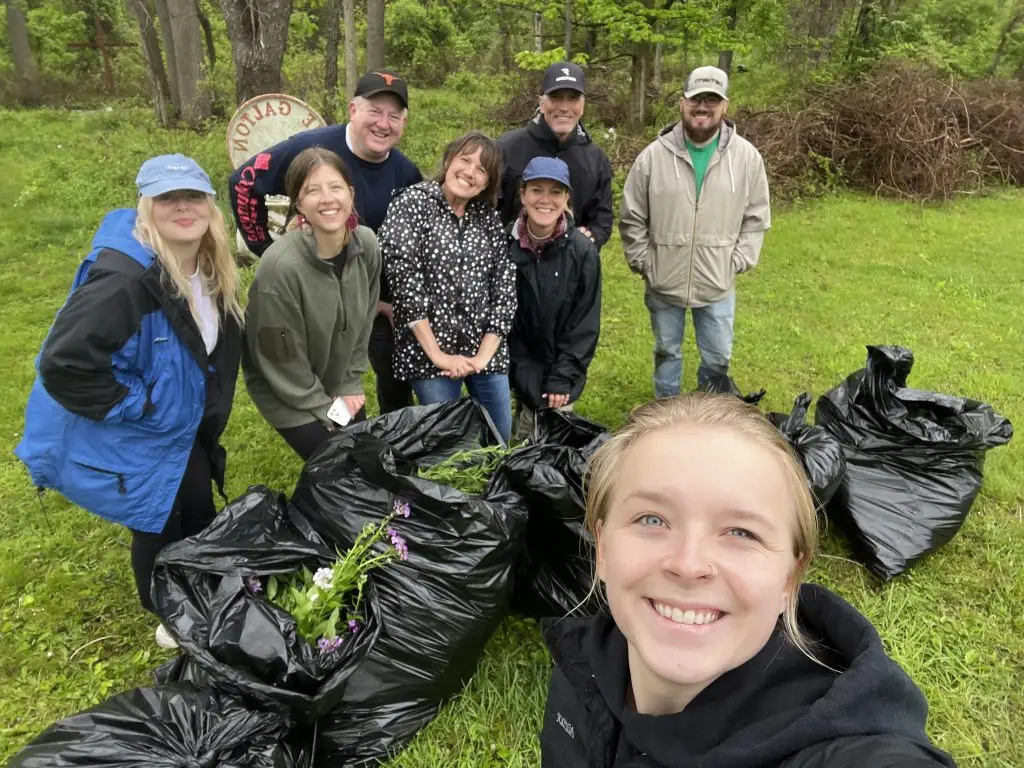
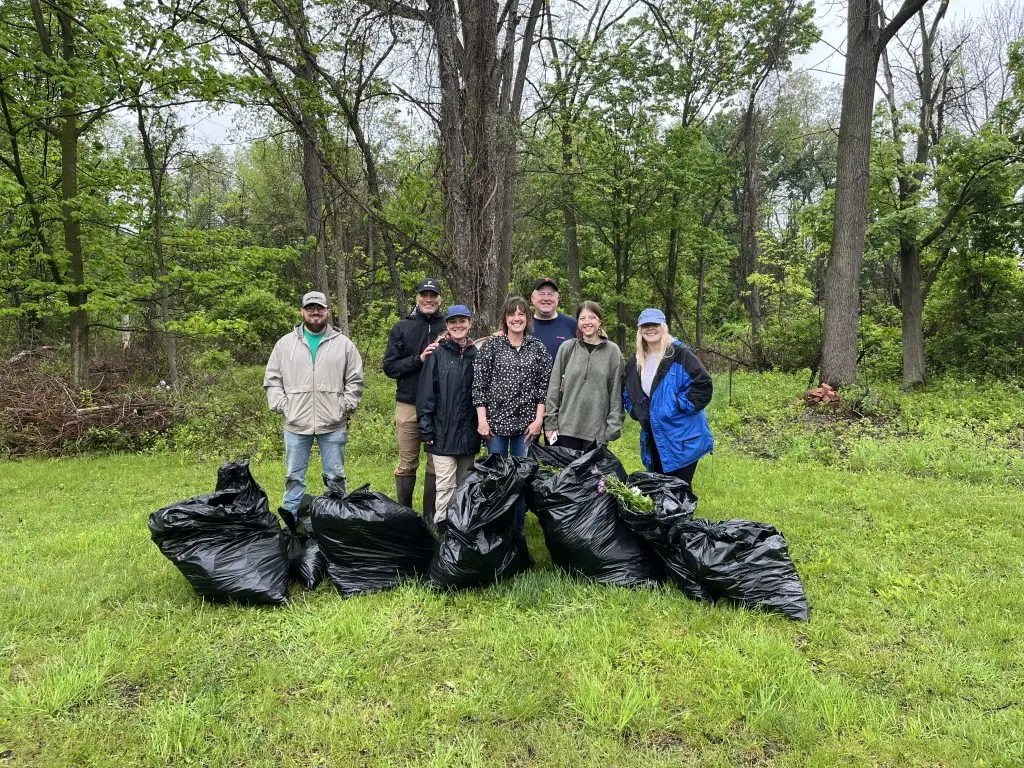
The next planned workday was originally scheduled for May 16th but was postponed due to thunderstorms and ultimately took place on May 23rd. Despite light rain, volunteers had a very productive day targeting herbaceous invasive species including garlic mustard, lesser celandine, Dame’s rocket, and lily of the valley. With guidance from Anthony at Lake St. Clair CISMA, volunteers learned how to identify invasive plants in the field while helping remove eight full bags of invasive species from the property.
Our community involvement continued on June 20th with a Native Plant Identification Workshop led by Amanda from Lake St. Clair CISMA. Community members joined in to learn more about identifying and appreciating native plant species while exploring the ongoing restoration work at the site. Here is our St Paul’s Plant Identification Guide.
Next up! Our Green Space Celebration at St. Paul’s will be help Saturday, August 15 at 12-3 pm. Details coming soon.